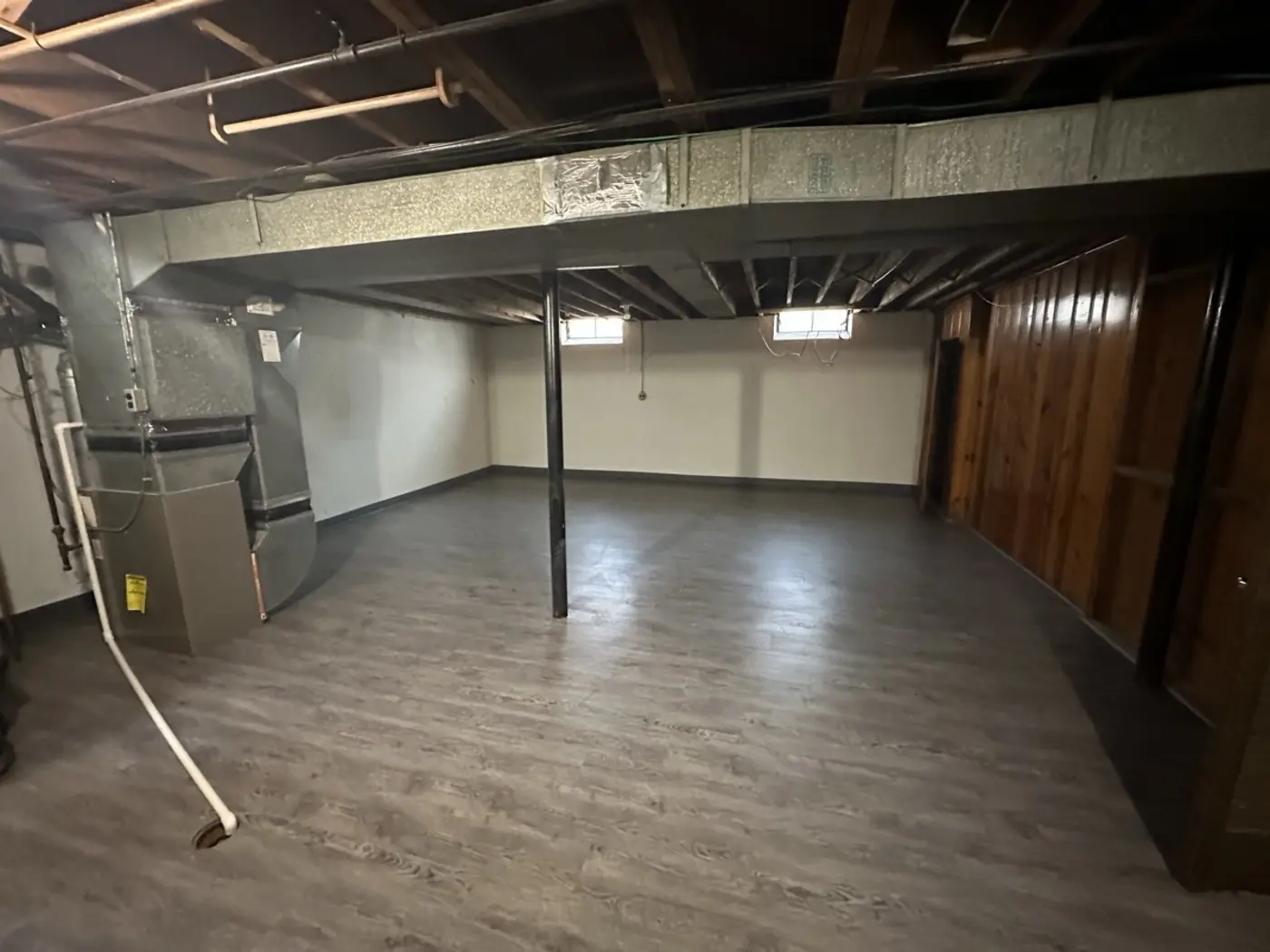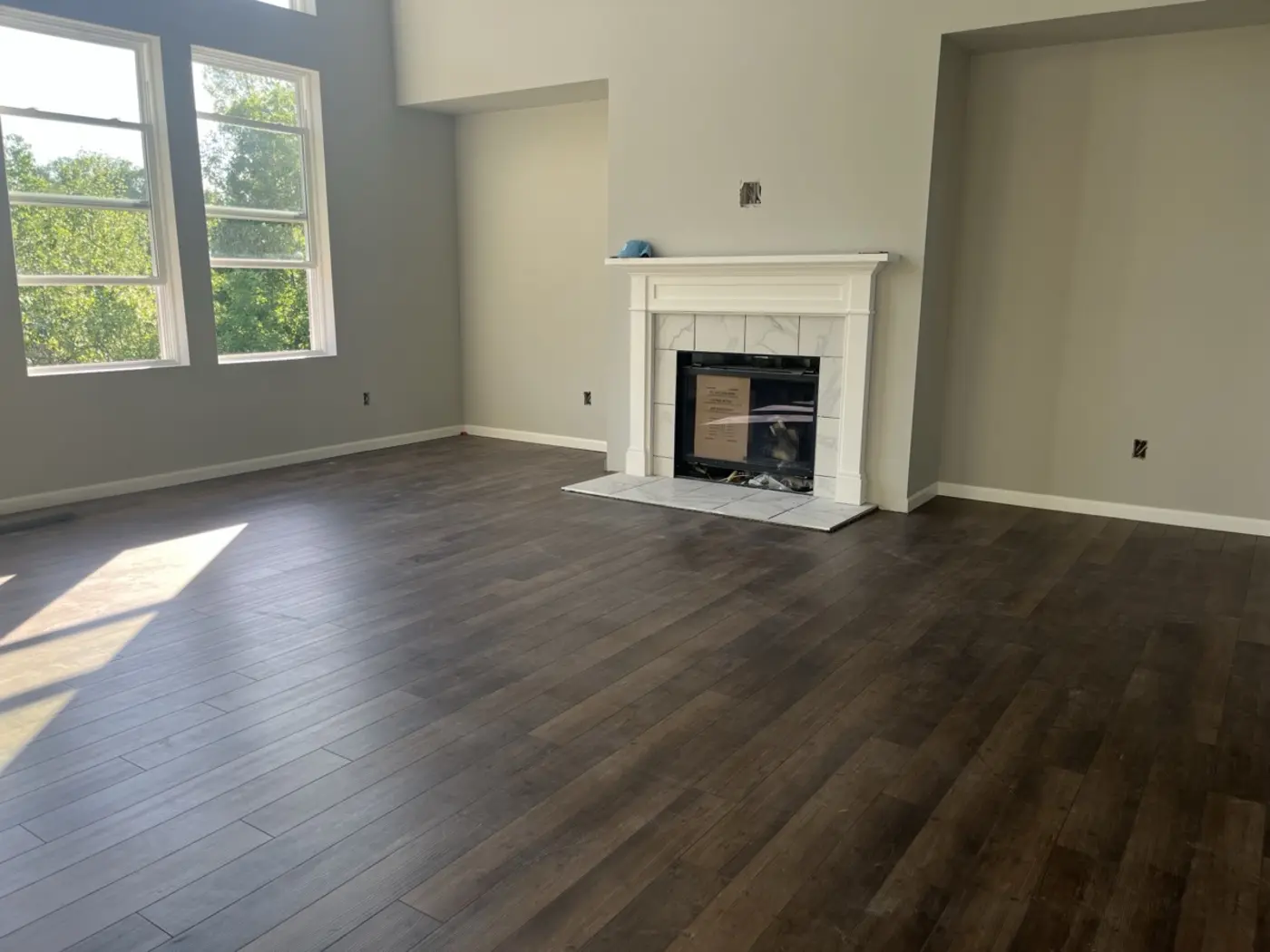
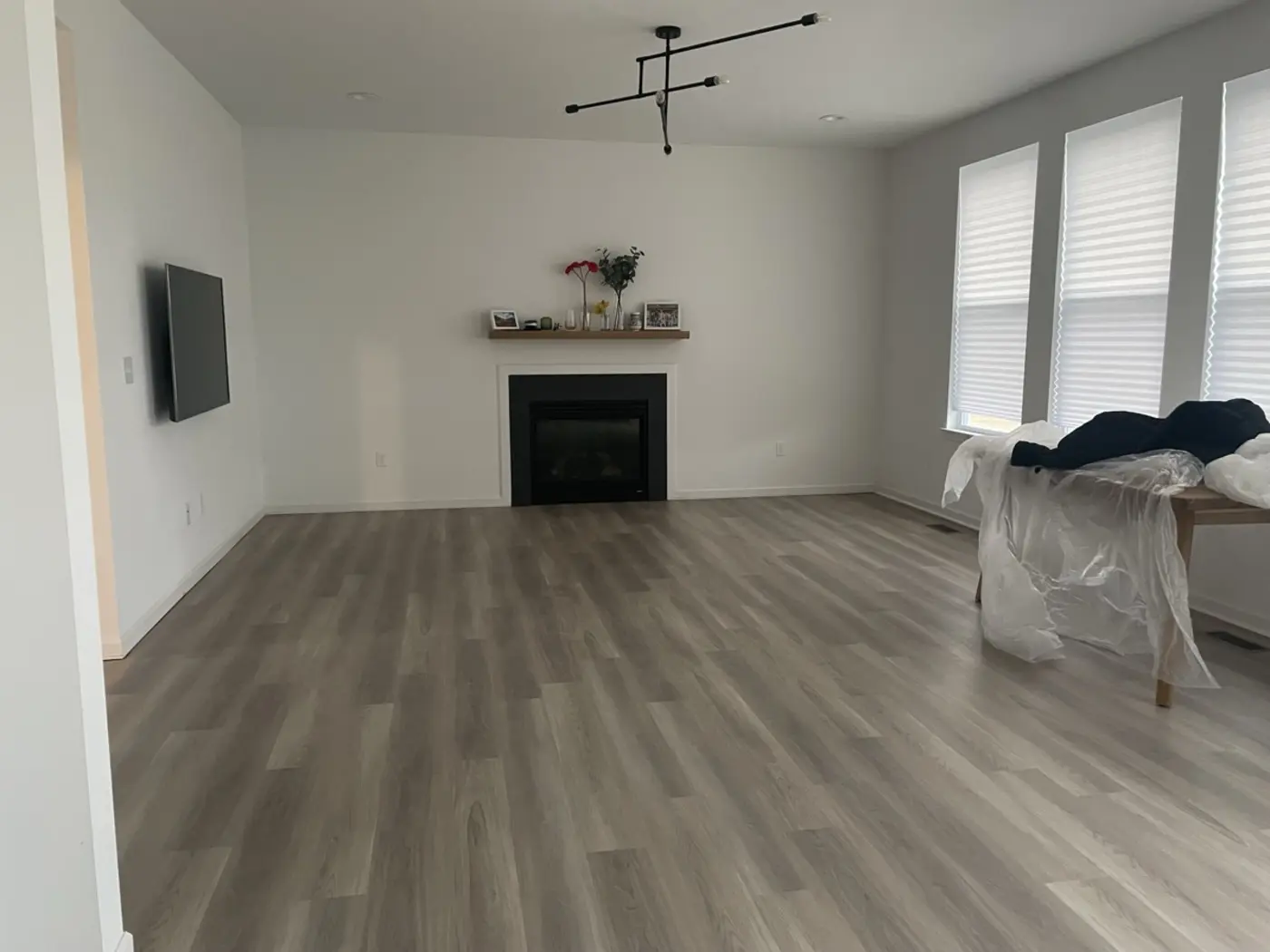
A smooth installation day starts the day before. Most of our jobs are finished in one day, and the homes that go quickest are the ones where the homeowner knew what to expect. This is the checklist we give our customers across Metro Detroit, from Royal Oak bungalows to newer homes in Troy.
Furniture and Belongings
Move what you can. Empty closets, dressers and shelves, take art and mirrors off walls near the floor, and pull small items from low cabinets. We can move heavy items like beds and sofas into another room, but we cannot lift a loaded dresser or a piano. If you have something unusual, say so at the estimate and we will plan for it.
- Take everything out of rooms getting new flooring, if you can.
- Remove rugs, mats and floor lamps.
- Empty bookcases, entertainment centers and pantry floors.
- Unplug and move electronics. We do not disconnect appliances.
- Clear a path from the front door to the work area, and a spot in the driveway for our truck.
What Happens to the Old Floor
Old flooring has to come up, and what is under it decides how long that takes. Glued-down vinyl, nailed hardwood, staple-heavy carpet pad and layers of old underlayment are all common in Detroit homes built between the 1920s and 1960s. Our floor demolition and prep service covers removal, haul-away and cleanup. Removal is quoted separately so you can see exactly what it costs.
A word on old materials. Some very old vinyl and adhesives from mid-century homes can contain asbestos. If your house predates the 1980s and the floor is a hard, brittle sheet or old black adhesive, tell us. We will stop and recommend testing before anyone disturbs it.
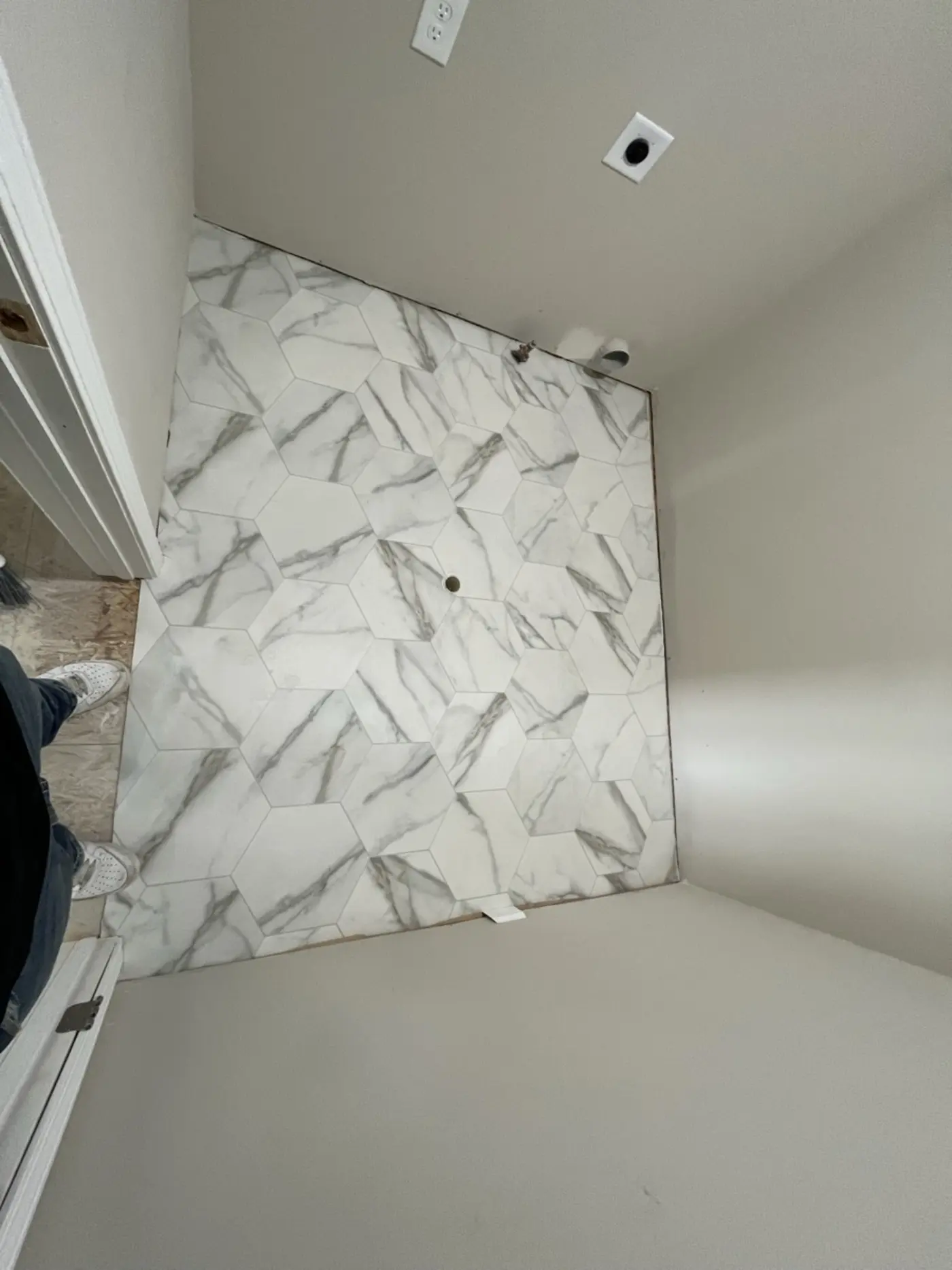
Checking the Subfloor
The subfloor is the floor your new floor sits on, and it has to be flat, dry and solid. That is more important than most homeowners expect. A new plank over a dip will flex and pull apart. A nail pop or loose board will squeak through carpet.
- Wood subfloors: we check for soft spots, loose boards and squeaks, and screw things down.
- Concrete slabs: we check for moisture, cracks and high or low spots.
- Old patches and uneven areas: we level with a patching or leveling compound.
- Damaged sections: we replace them and tell you before we start.
Leveling and subfloor fixes are normal in older houses and most basements. They add a little time and cost, and the price is part of your written quote. If you are not sure whether your floor needs it, ask us when we visit. Related work like floor repair is something we can fold into the same day.
Basements and Moisture
Concrete below grade takes on moisture from the ground, and Michigan spring thaws make it worse. If your basement has had water, efflorescence, a musty smell or a sump pump that runs a lot, tell us. We test and recommend the right underlayment or barrier. Waterproof luxury vinyl plank is our usual pick for lower levels.
Acclimation: Let the Flooring Settle In
Wood and wood-look products respond to temperature and humidity. Engineered hardwood and laminate should normally sit in the house for a set period before installation so they match the room. LVP and carpet are less sensitive. We will tell you the right timing for your product when you order, and the house should be at normal living temperature, not a shut-off winter cold.
Installation Day Timeline
Bigger homes and stairs take longer. Stairs in particular are measured and fit one step at a time. See carpet stairs and hardwood stairs for what that looks like.
Pets, Kids and Living in the House
Keep pets in a closed room or out of the house. Noise, open doors and cut edges are not a safe place for them. Little kids should stay away from the work area. After we finish, most floors can be walked on right away. We will tell you if your product needs a day before furniture goes back.
We are a family crew, Carlos Sr. and Carlos Jr. with our own installers, and we are on site the whole time. Ask us anything on the day.
Ready to plan your install day?
Get a free in-home estimate